

Somewhere on your phone there is a listing you keep going back to. A good used boat, a fair asking price, a photo of her under sail with the city behind. You have done the sum on the price more than once, and it nearly works.
The asking price is the easy part. What decides whether owning a boat on San Francisco Bay feels worth it is everything that follows: the bills that arrive every month whether she sails or not, the work that comes round on a schedule, and the time it all takes. This is a plain list of those costs, sorted by how they behave, so you can add up your own before you buy.
The costs that never take a month off
These are fixed. They arrive at the same size in a month you sail ten times and in a month you do not sail at all.
- The slip. A berth in a San Francisco marina is billed every month, and the good ones have waiting lists.
- Insurance. Renewed every year, and usually priced after a survey of the boat.
- The loan, if there is one.
- Depreciation. Not a bill, but real. Most boats are worth a little less every year you own them.
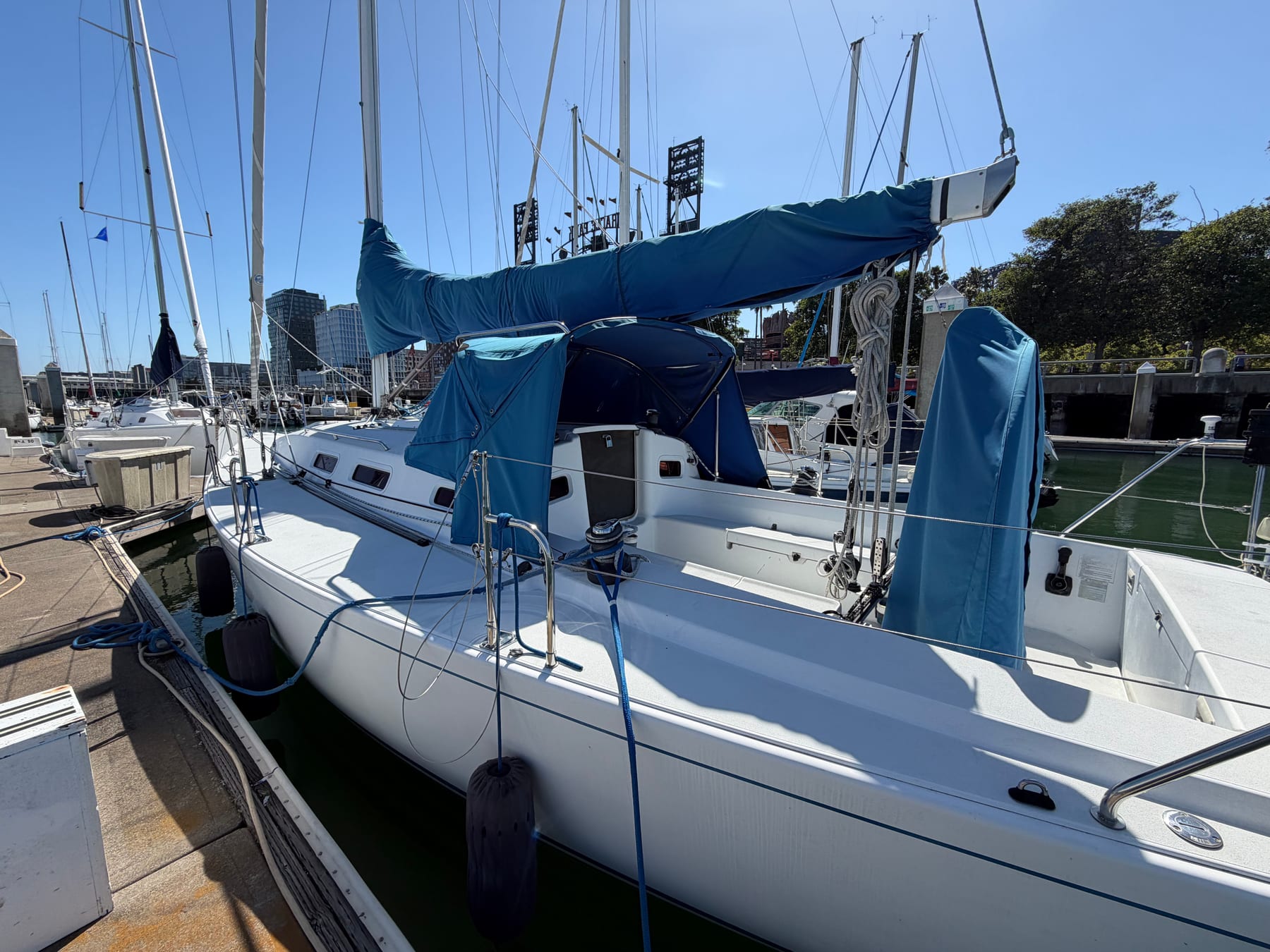
The costs on a schedule
Then there is the upkeep that comes round whether anything has gone wrong or not. None of it is optional on a boat that lives in salt water.
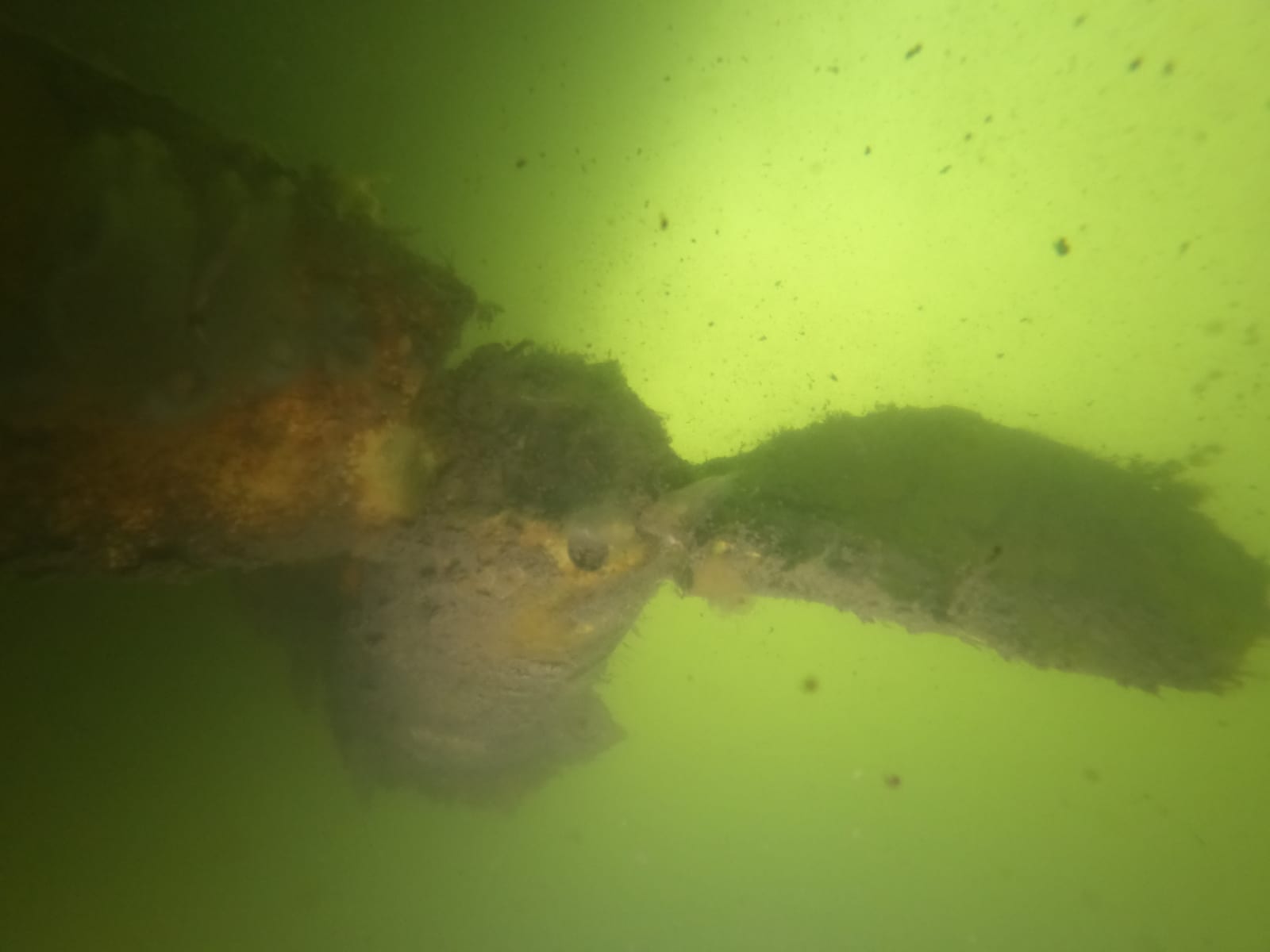
Bottom cleaning. The Bay grows things on any hull that sits in it: slime, weed and shell. A diver cleans the bottom on a regular schedule, and the propeller with it, because a fouled propeller pushes the boat badly and drinks fuel. The photos below come from a dive on Cirrus, our J/109.

Haul-outs and bottom paint. Every so often the boat comes out of the water to have her bottom painted and everything below the waterline checked. That means a boatyard, a lift, and days without your boat.
The engine. Even a sailboat motors in and out of the harbor, and the engine wants regular servicing. Left alone, it tends to fail at the worst moment.
Rigging and sails. The wires that hold the mast up and the lines you pull on wear, and need inspecting and, in time, replacing. Sails wear out too.
Cleaning. Washing, the cabin, the canvas, the brightwork. On a boat you own, it is either your weekend or somebody's invoice.
The costs nobody plans for
Things break. A winch seizes, a sail tears, a pump stops, the batteries go flat for no obvious reason. None of it is predictable and all of it lands on the owner. The usual advice is to set something aside every year for the repairs you cannot see coming, because a boat will find them.
The cost nobody counts: your time
Owning a boat is a second job with no salary. Booking the diver, chasing the yard, waiting for the mechanic, the Saturday spent on upkeep instead of sailing. Some owners love that side of it, and for them it is part of the pleasure. Owners who bought the boat to sail often find their sailing days quietly turning into maintenance days.
Work out your own cost per sail
The most honest number in boat ownership is not the price or the monthly total. It is what each day on the water costs you. Here is how to find it.
- Add up the year Slip, insurance, loan, cleaning, diving and engine service, plus a share of the haul-outs, rigging and sails, spread over the years they last.
- Add a reserve Something for the repairs nobody can predict.
- Count your real sails Not the number you hope for. Look at last year's calendar and be honest about how many free days you had.
- Divide The year's cost divided by your real sails is the price of each one. Then decide whether that number feels worth it.
That last step is where the sum usually turns. The fixed costs do not shrink when you sail less, so every weekend you miss makes each remaining sail more expensive. A boat that sails twenty times a year costs nearly what a boat that sails two hundred times costs.
The fixed costs do not shrink when you sail less, so every weekend you miss makes each remaining sail more expensive.
Two ways to change the sum
If your number comes out wrong, there are two ways to fix it, depending on whether you want to own a boat at all.
If you already own one, put her to work. In our boat owners program your boat joins the fleet at Pier 40, a small roster of members we have vetted sails her, and we handle the cleaning, everyday repairs and bookings. You are paid every time she is used. The title, the slip, insurance, haul-outs and diving stay with you, and your own access stays unlimited.
If you do not need to own one, a boat share takes most of that list off your hands. There is no loan and nothing to depreciate, and as a TimeShare member you pay one monthly figure for seven sails a month on the boat class you choose, and the slip, insurance, maintenance and cleaning are included. After a sail you rinse her down and take your trash. Every rate, and the refundable deposit, is on the membership page, and the questions on our home page cover how booking works.
Still weighing it up? Boat share, fractional ownership or buying compares all three side by side.
Ask before you buy
If you are set on buying, talk to us first. Drew and Garett both hold yacht sales licenses at Rubicon Yachts, so we can help you find the right boat and tell you honestly how she would do in the program before you sign anything. Get in touch, call 415-543-7333, or have a look at the boats our members sail. And if you are not certified yet, Spinnaker Sailing's lessons start from the same dock.