
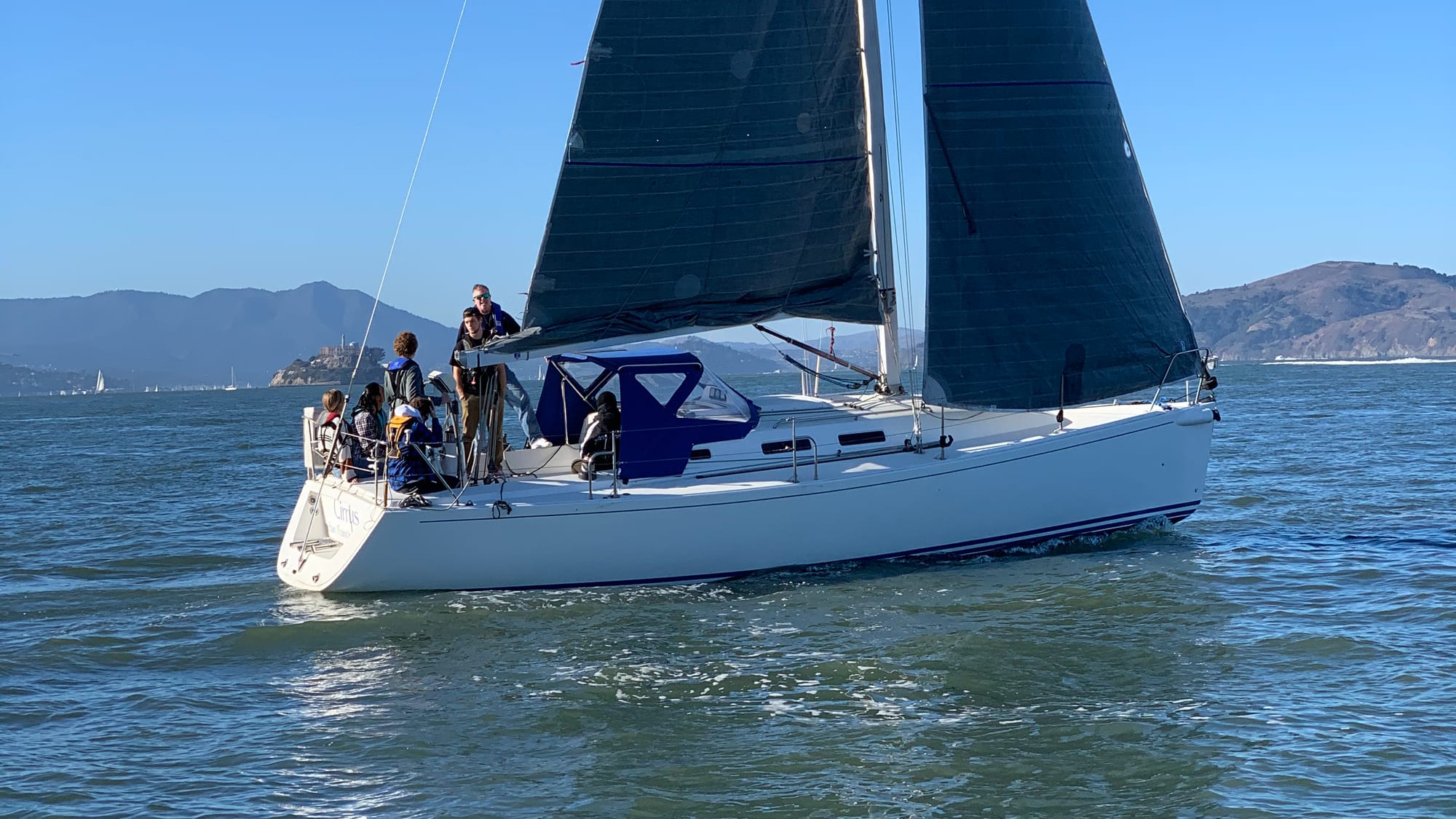
It usually starts with a listing. A good used boat, a price that looks almost reasonable, and a picture of her under sail with the Golden Gate behind. Then the arithmetic begins: the slip, the insurance, the haul-outs, the weekends spent on upkeep, and the slow realization that you might sail her twice a month.
Most people who get serious about sailing on San Francisco Bay end up comparing three things: buying a boat outright, buying a share of one, or joining a boat share like ours. They sound like versions of the same idea. They are not. They answer different questions, and the most useful thing you can do is work out which question is yours.
The question underneath
Do you want equity in a boat, or time on the water? Ownership, whole or fractional, gives you an asset with your name on the title, and everything that comes with it. A boat share gives you sailing days and no asset at all. Neither is the wrong answer. They just suit different people.
Buying outright
The appeal is obvious. She is yours. You choose her, name her, change her, and take her out whenever you like with whoever you like. For some sailors that freedom is the whole point, and nothing else will do.
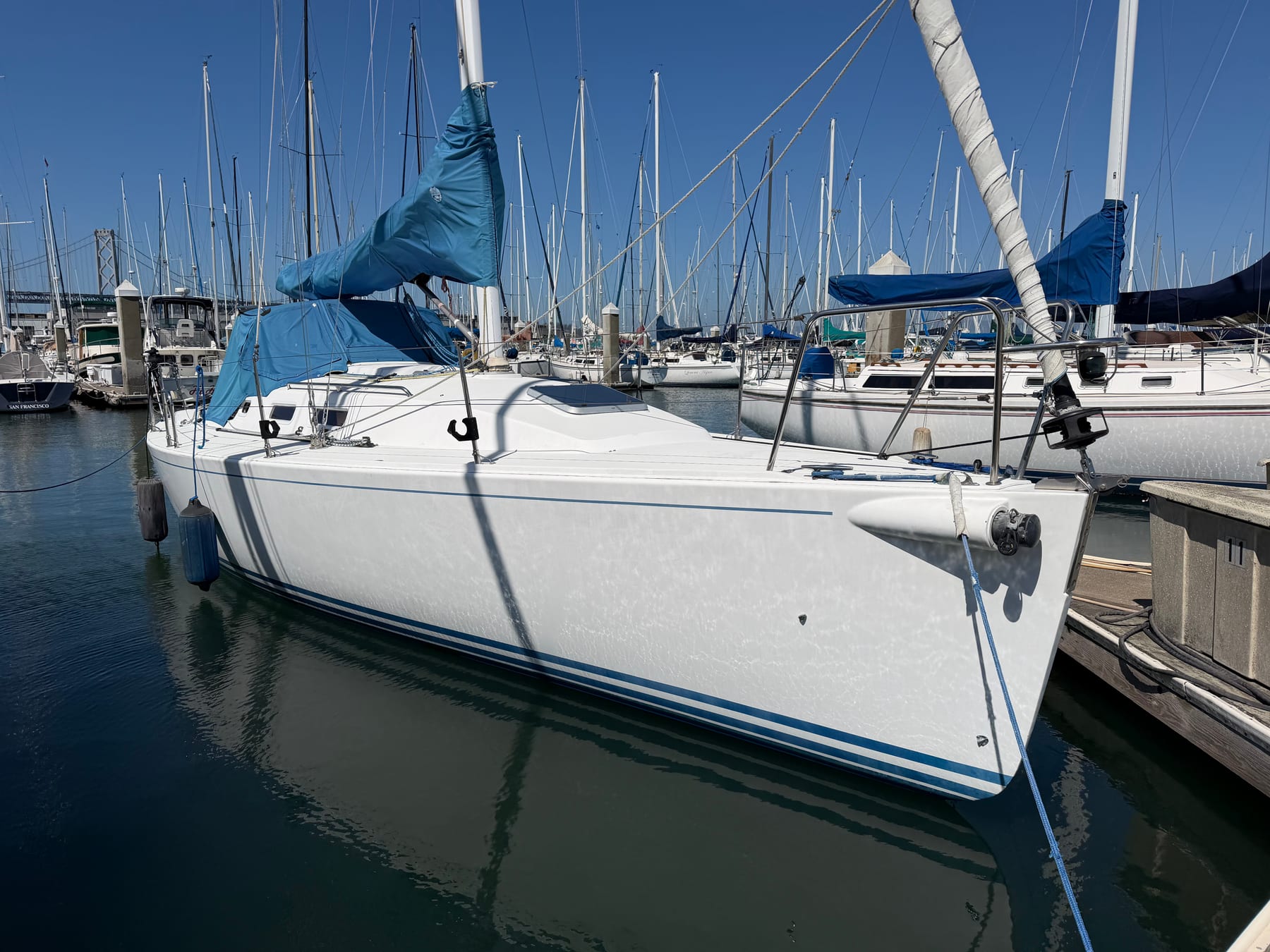
The cost is what comes with it. A loan payment, if there is one. A slip fee every month. Insurance and survey. Haul-outs and repairs whenever they are needed. Cleaning and upkeep, usually on your weekends. And depreciation, always. The total is hard to predict, and it does not shrink in the months you are too busy to sail. Getting out means selling the boat, which takes as long as finding a buyer takes.
Fractional ownership
Fractional ownership splits one boat between several owners. You buy a share of the hull, your name goes on the title, and the running costs are divided between the partners. It brings the cost of ownership down, and it suits people who want equity in one particular boat.
The catch is the committee. Maintenance is shared and agreed between owners, which works well with the right partners and slowly with the wrong ones. The buy-in is usually five figures. You sail one boat, so moving up a size means selling your share first, and getting out means finding a buyer for it.
A boat share
A boat share, which we call TimeShare Sailing, turns the whole thing around. You own nothing. You buy time on the water: seven sails a month on the boat class you choose, on a six or twelve month term. The slip, insurance, maintenance and cleaning are included. There is a refundable damage deposit, held in escrow and sized to the boat, and it comes back to you at the end of the term.
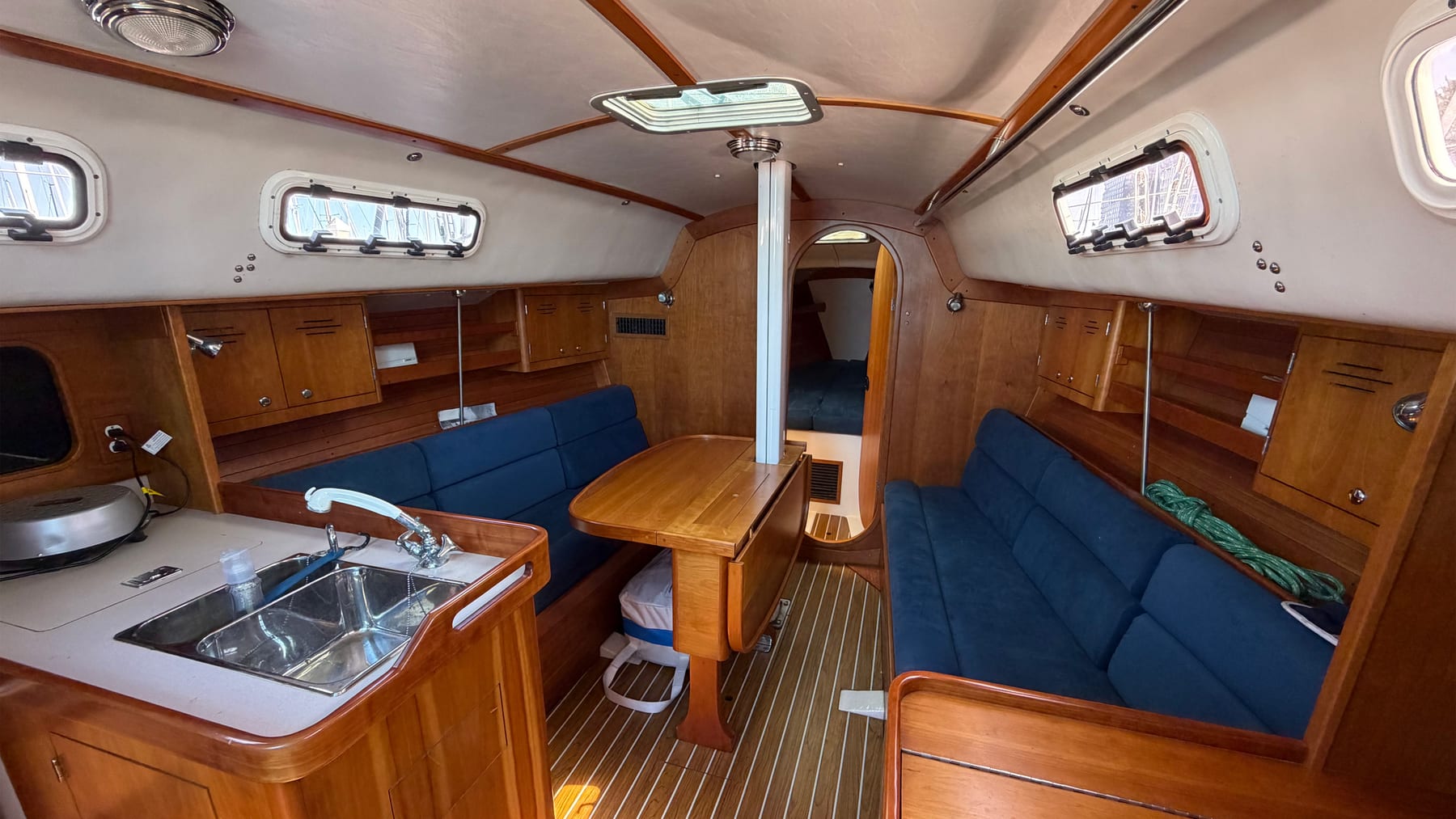
After a sail you rinse the boat down and take your trash with you. That is the whole checklist. The rest is ours. Members on our larger boats book on a shared calendar up to a year ahead, and every member gets a Pier 40 parking pass. Every rate, deposit and term is on the membership page.
What you give up is ownership. You sail the boat class you signed up for, not any boat you like, and you share the calendar with the other members. On the J/105, Beneteau 37 and J/109 that is one named boat. On the Andrews 21 and J/80 you book the class and sail whichever hull is free.
Side by side
| At a glance | Boat share | Fractional ownership | Buying outright |
|---|---|---|---|
| What you own | Nothing. You buy time on the water | A share of one hull | The whole boat |
| Up front | A refundable deposit | Usually a five-figure buy-in | The purchase price, or a loan |
| Every month | One figure | Your share of slip, insurance and upkeep | Slip, loan, insurance, upkeep |
| Maintenance | Ours | Shared, agreed by the owners | Yours |
| Moving up a size | Change class as you progress | Sell your share first | Sell the boat first |
| Getting out | Finish the term | Find a buyer for your share | Find a buyer for the boat |
The costs nobody puts in the listing
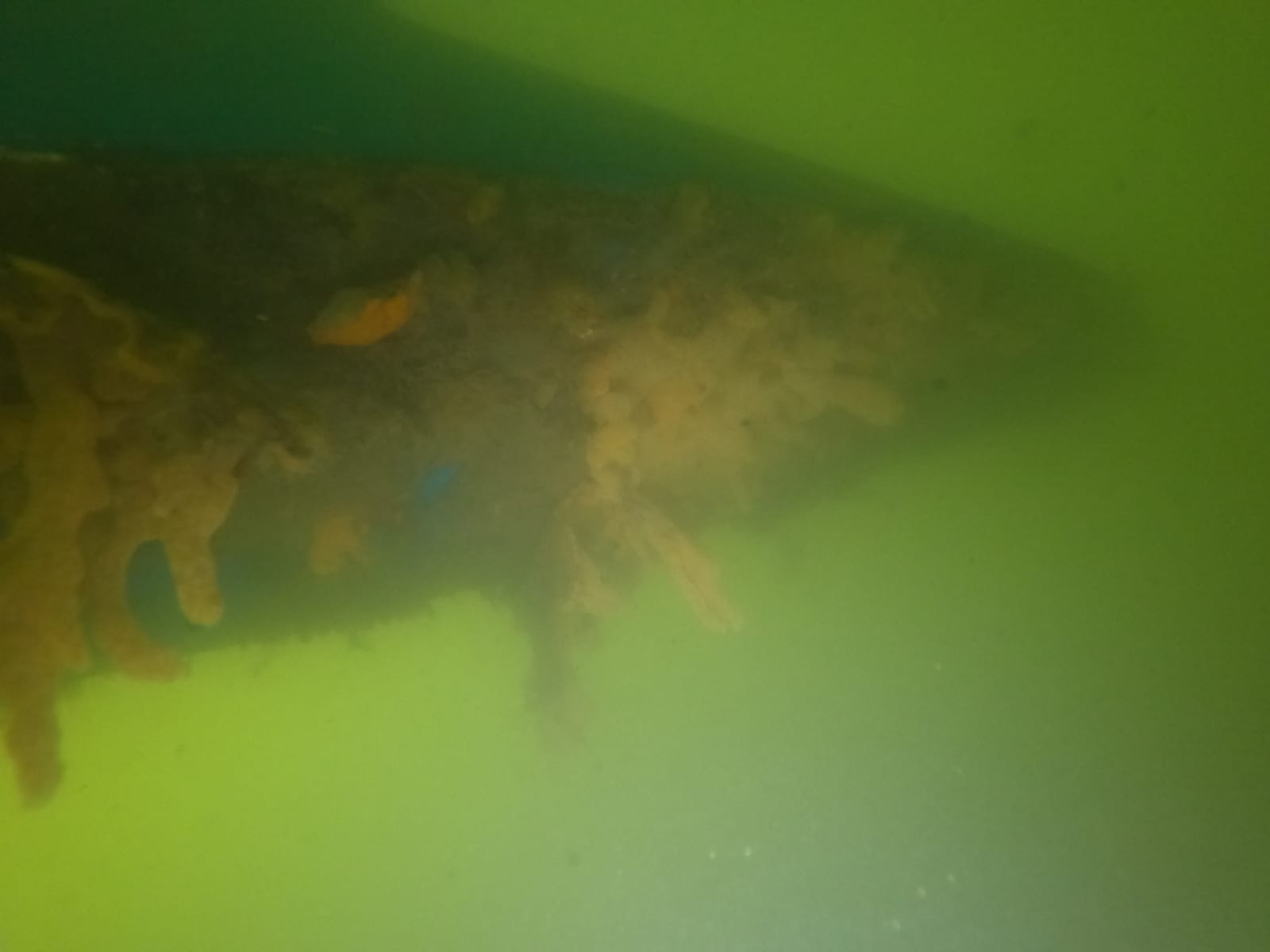
The purchase price is the number everyone looks at, and it is rarely the one that decides whether owning a boat feels worth it. The ones that do are quieter: the slip fee that never takes a month off, the bottom paint, the rigging that needs replacing on its own schedule, and the hours spent organizing all of it.
Then there is use. A boat that sails twenty times a year costs about what a boat that sails two hundred times costs. Before you buy, it is worth asking honestly how often you will get out. If the answer is a few times a month, divide the yearly cost of ownership by that number. That is the true price of each sail.
Which suits you
- Buy outright if you want a boat that is entirely yours, you will sail her often, and you enjoy the work that comes with her.
- Buy a share if you want equity in one particular boat and have partners you trust to agree on maintenance.
- Join a boat share if you want to sail often without tying up capital, and would rather spend your weekends sailing than looking after a boat.
There is a fourth path, too. If you already own a boat, or want to buy one, you can place her in our program and let members help carry the cost of keeping her while your own sailing stays unlimited. How that works for boat owners.
What you need to start
A boat share needs a certification, because you sail without an instructor aboard. ASA 103 or equivalent experience opens the Andrews 21 and J/80. ASA 104 or equivalent opens the J/105, Beneteau 37 and J/109. Equivalent is genuine: if you have sailed similar boats on similar water, we will talk it through and assess you properly. If you are not there yet, the Spinnaker Sailing school runs the whole ASA ladder from the same dock, and its students get unlimited use of the Andrews 21s and J/80s.
Every member is trained on their own boat before sailing her alone, and twelve months costs less per month and suits anyone planning to sail year round. On this Bay, that is a real option. Compare the five boats, read the common questions, or tell us where you are as a sailor and we will tell you honestly whether a boat share fits.